
The biggest change Brad* has seen in his 10-year-old grandson James* is his level of confidence since James graduated from CASA Mental Health programming.
The family’s mental health journey started after the death of James’ sole parent. Brad searched for resources for his grandson and connected with CASA’s Trauma program. They attended the Trauma and Attachment Group (TAG) for one year.
“It was a fantastic experience for me personally and for James. We did very well… life was getting better all the time,” Brad says.
He found the program not only helped James but had an impact on him as well. Clinicians were available to answer all his questions, and he received learning materials every week. Brad says he was taught what his grandson was learning and how to apply it at home.
“You’re learning hands on. It’s really, really good, I can’t imagine how you can get much more out of a program,” Brad says.
Two years after graduating from TAG, James was in Grade 4 and began having behavioural problems at school. His school recommended he attend the CASA Mental Health Classroom in a nearby school.
CASA Classrooms are designed for children and youth in Grades 4 through 12 who are struggling with mental health symptoms, such as anxiety, overactivity, poor concentration, emotional outbursts or behaviour issues. Patients attend school while receiving individual therapy, group therapy and daily lessons, all within the same classroom.
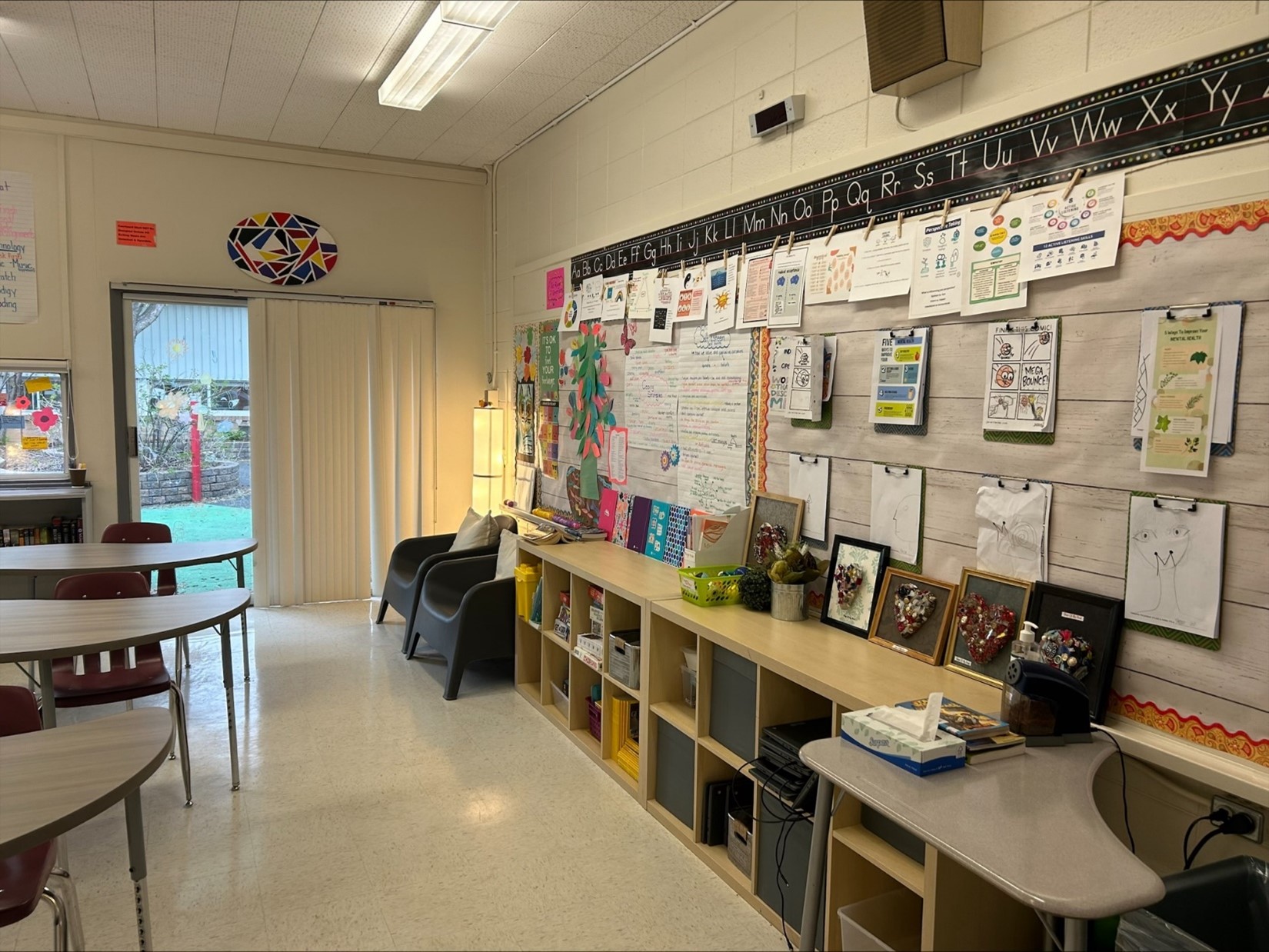
“I think personally, the thing about CASA Classrooms that did James the most good was the care from the individual people, that the mental health workers in the program gave to the kids,” Brad says.
In the CASA Classroom, James received one-on-one attention. At the end of every day, Brad says, James’ teacher would walk with him outside, discuss with Brad what happened that day, and give James a hug.
“She would make him feel like he belonged there,” Brad says.
Brad developed friendly, close and trustworthy relationships with the staff in the CASA Classroom.
“That crew at that school was totally engaged with my family,” Brad says.
Before the program, James felt everything he did was wrong, Brad says. On James’ first day, he refused to go inside and even hid under Brad’s car. By the end of the program, he was excited to go every day.
For Brad, CASA Classrooms gave him hope. The biggest difference he sees in James is his confidence. Brad credits that to the Classroom staff; they were not punitive but instead would explain to James why certain behaviour may be wrong.
“When something went wrong or something didn’t go according to plan, they would stop, sit down and talk about it. They never called me into the classroom to fix anything,” Brad says. “They would address the issues as they came up.”
While relaying his experience with CASA, Brad can name every staff member that crossed his family’s path throughout their mental health journey.
“I’m definitely grateful for the program, for the people in the program,” says Brad, “I’m way more hopeful in my life with James.”
For families who may be starting their journey with CASA Mental Health, Brad says parents and caregivers need to be present, listen and pay attention.
“I would say if you wanted to get the most out of it, if you want your child to be successful, involve yourself,” Brad says. “The more you could invest in it personally, the more you benefited… Anything that I learn to help him, helps him.”
*Note: Names and other identifying details have been changed to protect patient privacy.
