
Lori Erickson describes her son as smart, funny and joyful.
“We did pretty great at home,” explains Lori. “But once we started venturing out into the world in preschool and kindergarten, trying different activities, things looked different. There were a lot of meltdowns, a lot of sensory overload.”
His school frequently called Lori, asking her to pick up her son. And the most frightening calls: “He’s run away from school again and we don’t know where he is.”
“I stopped taking my kids to grocery stores,” says Lori. “I stopped putting them in activities … All my energy and time was going into just getting my kids to school, getting them home, trying to control what was happening for us.” She adds, “Friends and family fell away for us. My husband was working three jobs so I could stay home with my kids. I wasn’t able to work because the calls for school were coming constantly.” 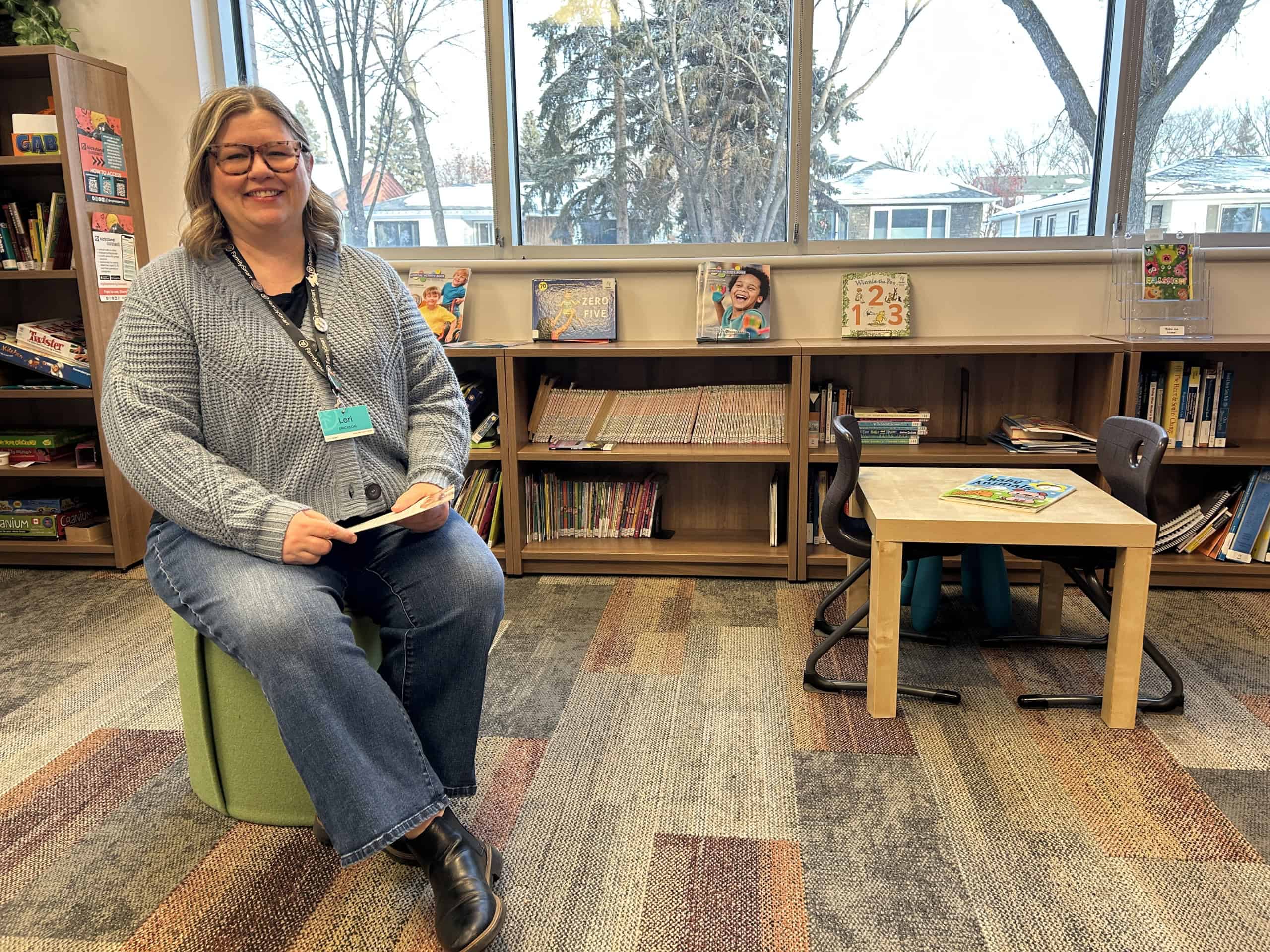
Desperate and frustrated, they asked their psychiatrist for more support. That’s how they learned about CASA Mental Health.
“Coming into the day program at CASA allowed us to catch our breath,” says Lori.
CASA Mental Health has three day programs – the Preschool Day Program, Children’s Day Program and Adolescent Day Program. Day programs are offered on site at a CASA facility in a small class environment and help improve kids’ social and learning skills.
“He was really thriving when he was in that controlled environment where they could see what he needed, where they could – in real time – help intervene on some of the struggles he was having with his peers. He did really great there … I felt like there was a little bit of hope of something better for us.”
It was also the first time Lori saw other families struggling the way hers did. In the parent group, families spoke about their challenges, built confidence and parenting skills, learned to better understand their child’s behaviour and developed self-regulation techniques. “I felt a little less alone,” Lori says.
But that didn’t stop her from worrying about what was next for her family. “The piece that was missing for us was knowing we’d have to go back to our community and he wouldn’t have those same supports,” she says.
When her son had completed the program, there weren’t as many transition supports available to CASA families as there are today – many of which were created when families like Lori’s shared their fears about next steps.
“As we were leaving the program, I was actually approached by the CASA CEO at the time to be part of a group of parents giving feedback,” Lori says.
CASA Mental Health later partnered with FamilySmart – a non-profit organization that supports parents and caregivers of children with mental health or substance use challenges – to hire a family peer support worker. Lori jumped at the chance to use her lived experience to help others. She applied and has been working onsite supporting CASA families ever since.
Today, Lori connects with families, letting them know she’s here for them. She offers emotional support, helps parents navigate resources in the community and can provide information on CASA Mental Health and its programs. Lori is available to help whether families are waiting for services, accessing services or have transitioned out of services at CASA. “Most of all,” Lori says, “we make sure families know that they are not alone.”
Having lived experience is a key part of her role. She understands what families are going through, because of her own family’s journey, and the experiences of the families she’s supported over the past seven years.
One of the best parts about her job? It’s that moment when a parent walks away with a bit more hope than they had when they came in and they feel empowered to support their child. When they say, “Thank you for listening,” or “You’ve given me a lot to think about.”
“Sometimes, at the end of a really hard conversation, they don’t have the words … so they’re like, ‘Can I hug you?’ I get a lot of hugs,” says Lori.
